A Desert. A Storm. A Mission.
January 2022. Jakob Travis, a recent Electrical Engineering graduate from UC Santa Barbara, was traveling through the Wadi Rum desert in Jordan when an unexpected winter storm hit — the first snowfall the region had seen in years. Equipped with rabbit fur and Italian leather work gloves, he headed out to gather firewood for the local Bedouin tribe he was staying with.
Days later, blisters appeared on his fingers and toes. The village wolfdog licked at his hands. The tribe sent him to the nearest hospital. When he arrived, the line was out the door — everyone had frostbite. Standing there, a question formed that wouldn't leave him: what technology should have existed, but didn't?
The answer he landed on was simple: protection that doesn't depend on the user knowing they're in danger. By the time frostbite is painful, the damage is done. The system had to work on its own — completely autonomous.
After Wadi Rum, Jakob arrived at the University of Utah as a PhD candidate in Electrical and Computer Engineering. Through entrepreneurial cohorts — SPARC Health, Bench2Bedside, and Nucleus Grow — he developed the technical and business skills to take FrostByte from a concept to hardware. He connected with Dr. Scott McIntosh and Dr. Jacob George in 2024, and together they built the team that would found FrostByte Defense Technologies LLC. Jakob has since pitched to Army experts, Congressional members, and investors, and led the team to SOFAM 2026 in Fairbanks, Alaska.
At the University of Utah, Dr. Scott McIntosh, MD, MPH is one of the country's leading experts in wilderness medicine and alpine care. He regularly publishes frostbite research and field guides, and directs the Wilderness Medicine Fellowship at the U of U. He had independently been developing the concept for autonomous frostbite prevention — he had the medical framework but needed an engineering partner. When Jakob and Scott connected through Dr. Jacob George in 2024, FrostByte's founding team was complete. Scott's clinical expertise shapes every design decision in the FrostByte system.
Cold injures in ways that are invisible until it's too late. Once fingers go numb, the line between "cold" and frostbite becomes indiscernible. FrostByte was built to remove that uncertainty — no user input, no guesswork.
Starting at the University of Utah, Jakob and Dr. McIntosh combined emergency medicine protocols with embedded electronics — a system that monitors tissue temperature digit-by-digit and delivers targeted heat autonomously. No interface. No training required.
January 2026 — FrostByte deployed 20 prototype pairs with Special Forces at SOFAM in Fairbanks, Alaska. First arctic field testing at −40°F. The operators noticed. SOCOM noticed. The path to fielding was confirmed.
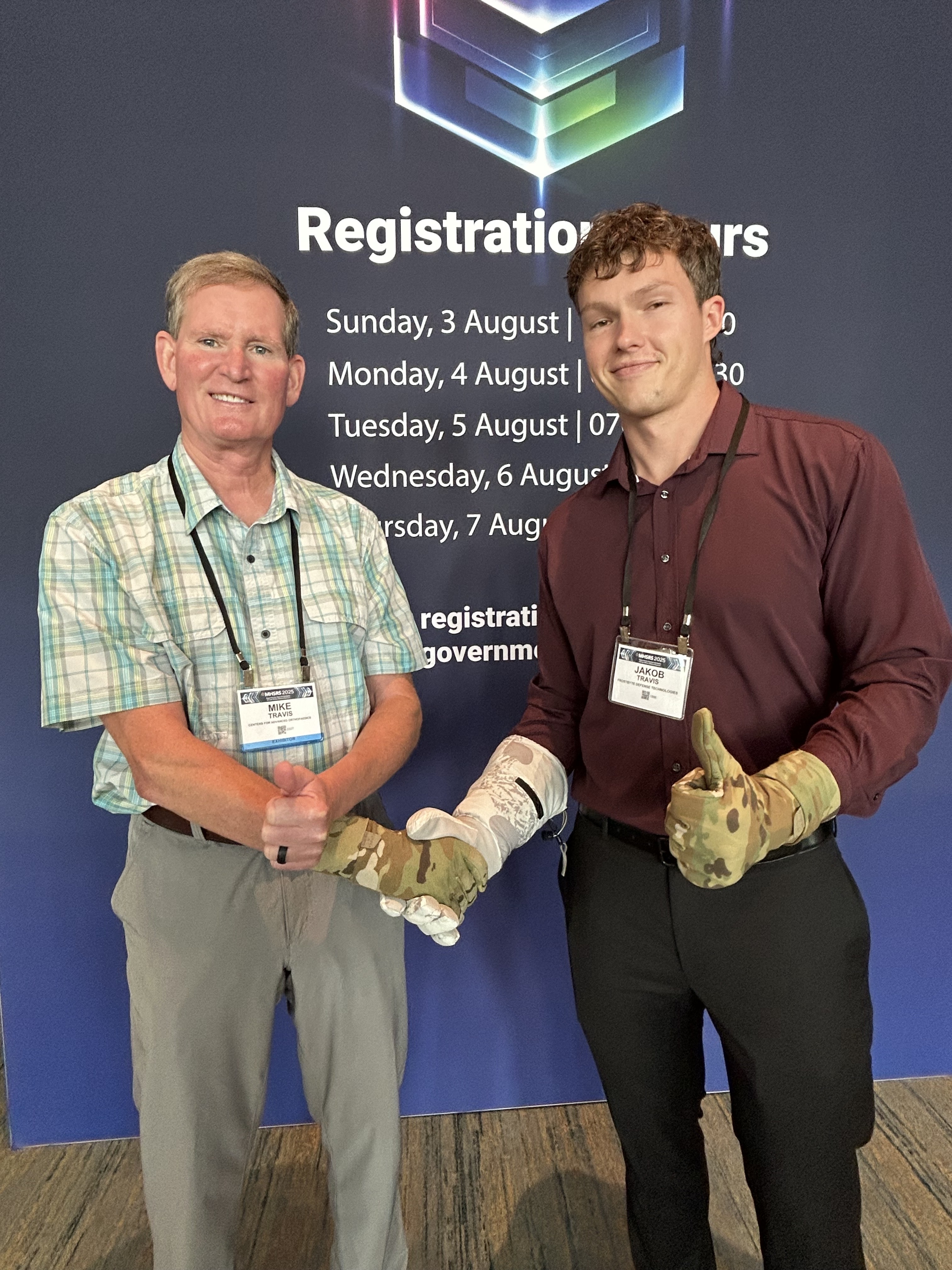 MHSRS 2025 · Orlando, FL
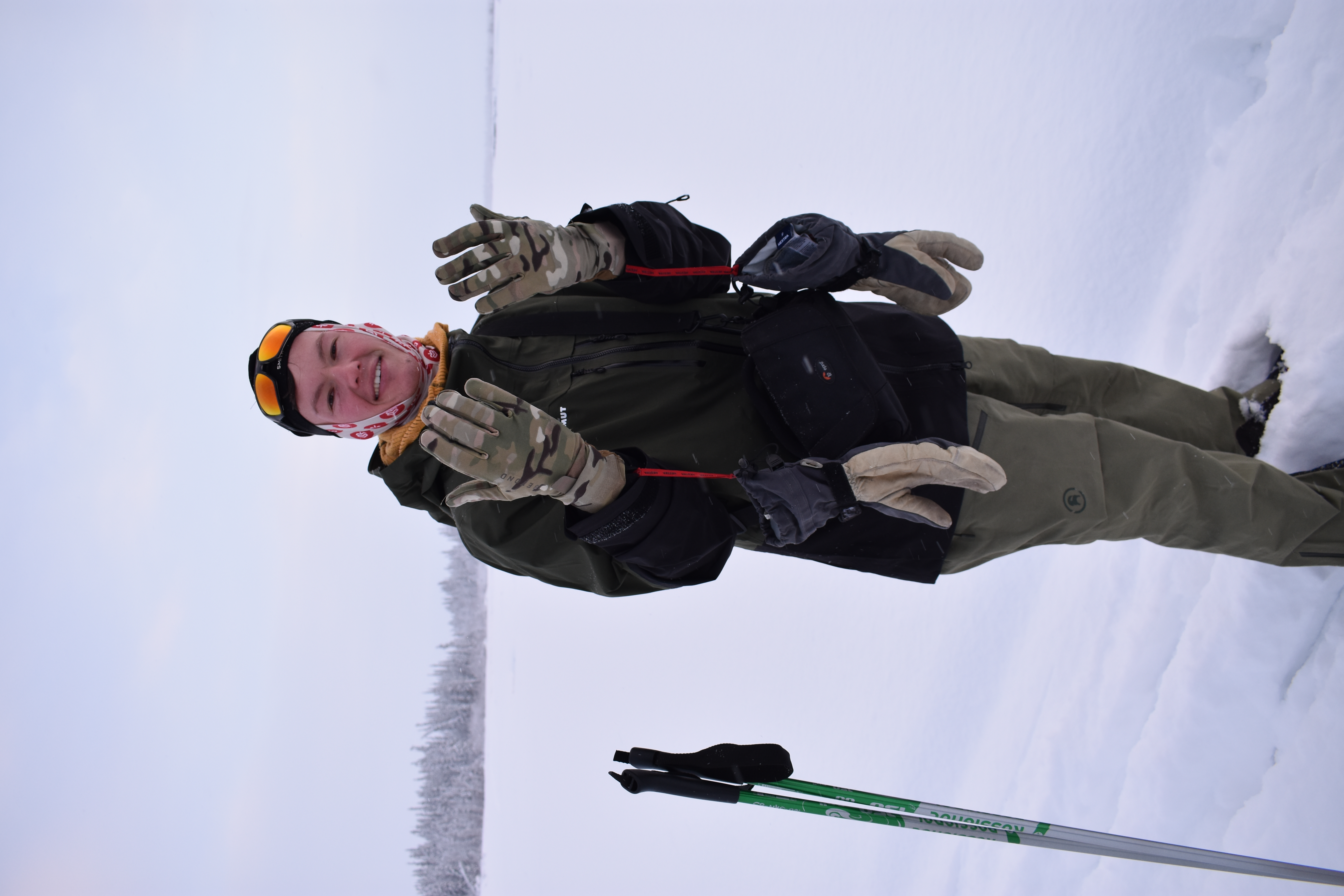 Cross Country Skiing · Fairbanks, AK
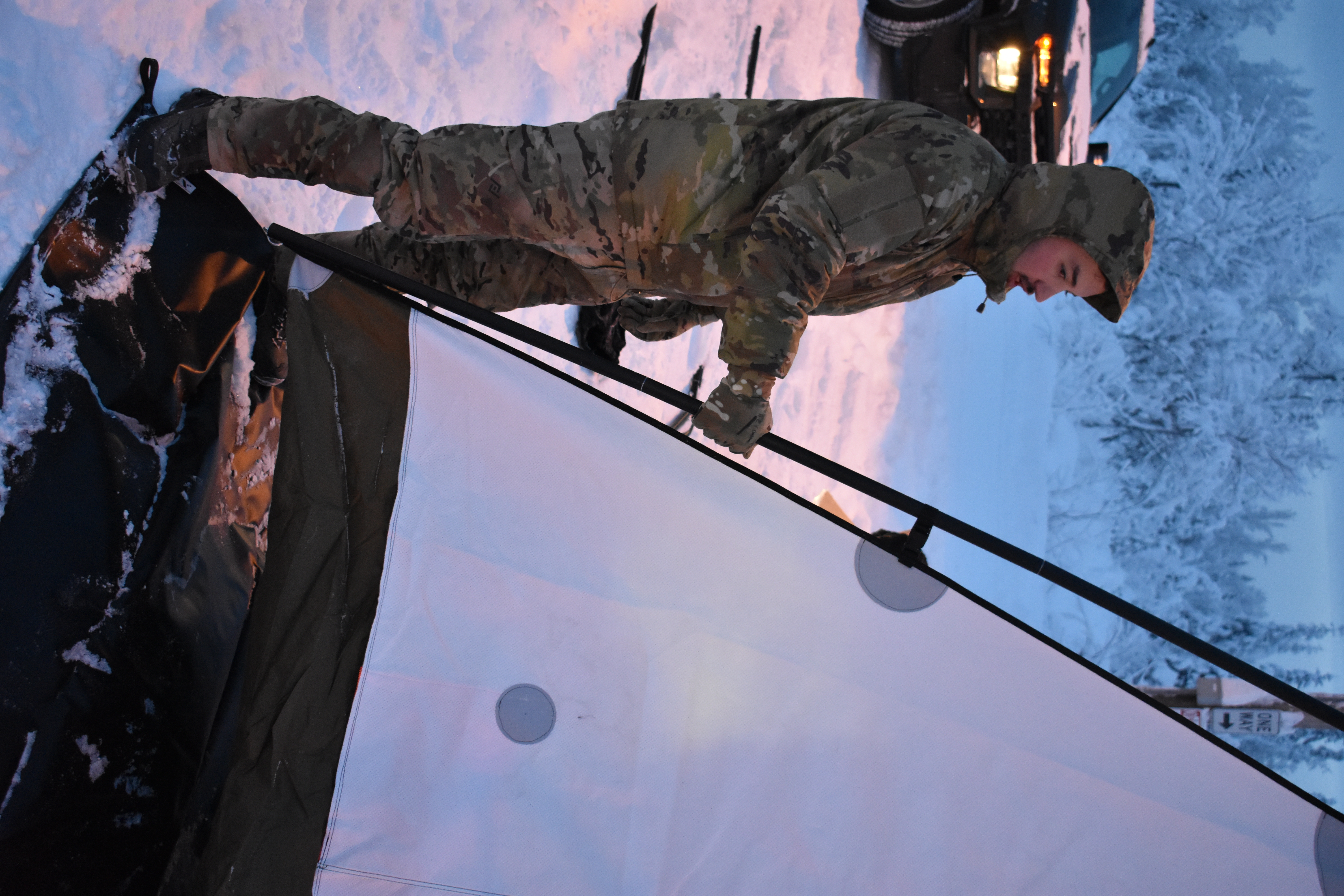 SOFAM 2026 · Fairbanks, AK
From Concept to Combat-Ready
Won the inaugural Remote & Austere Conditions (RAC) Grand Challenge at the University of Utah. $100,000 awarded to develop FrostByte. Formerly known as RAC, now High Tech West.
Multiple prototype iterations designed, built, and tested at the University of Utah. Provisional patent filed March 2025. Electronics, sensors, and heating elements integrated into a glove liner form factor.
Selected from 900+ applications — top 60. Pitched in front of 50+ DoD cold-weather experts and program officers. Awarded $5,000 in undiluted funding. Gained key Army lab and USARIEM contacts.
Special Operations Forces Arctic Medic (SOFAM) — Fairbanks, Alaska. 20 prototype pairs deployed with Special Forces at −40°F. First arctic field test complete. Data Sharing Agreement in progress.